El Caribe y la ausencia renovada
Armando Reverón (1889–1954, Caracas, Venezuela) is considered by international critics to be one of the most important painters of the Caribbean and one of the greatest representatives of modernism in the Americas. In 1908, he began studying at the Academy of Fine Arts in Caracas. In 1911, he traveled to Spain and enrolled in the School of Arts and Crafts in Barcelona, and in 1912 at the San Fernando Academy of Fine Arts in Madrid.
Upon returning to Venezuela in 1913, he came into contact with the painters of the Círculo de Bellas Artes (1912–1917) and the so-called Caracas School (1920–1950), artists who broke away from the rigidity of academic painting under the influence of Impressionism. For many of these painters, Cerro El Ávila, part of the valley surrounding the city, became the central and distinctive subject of their artistic approaches.
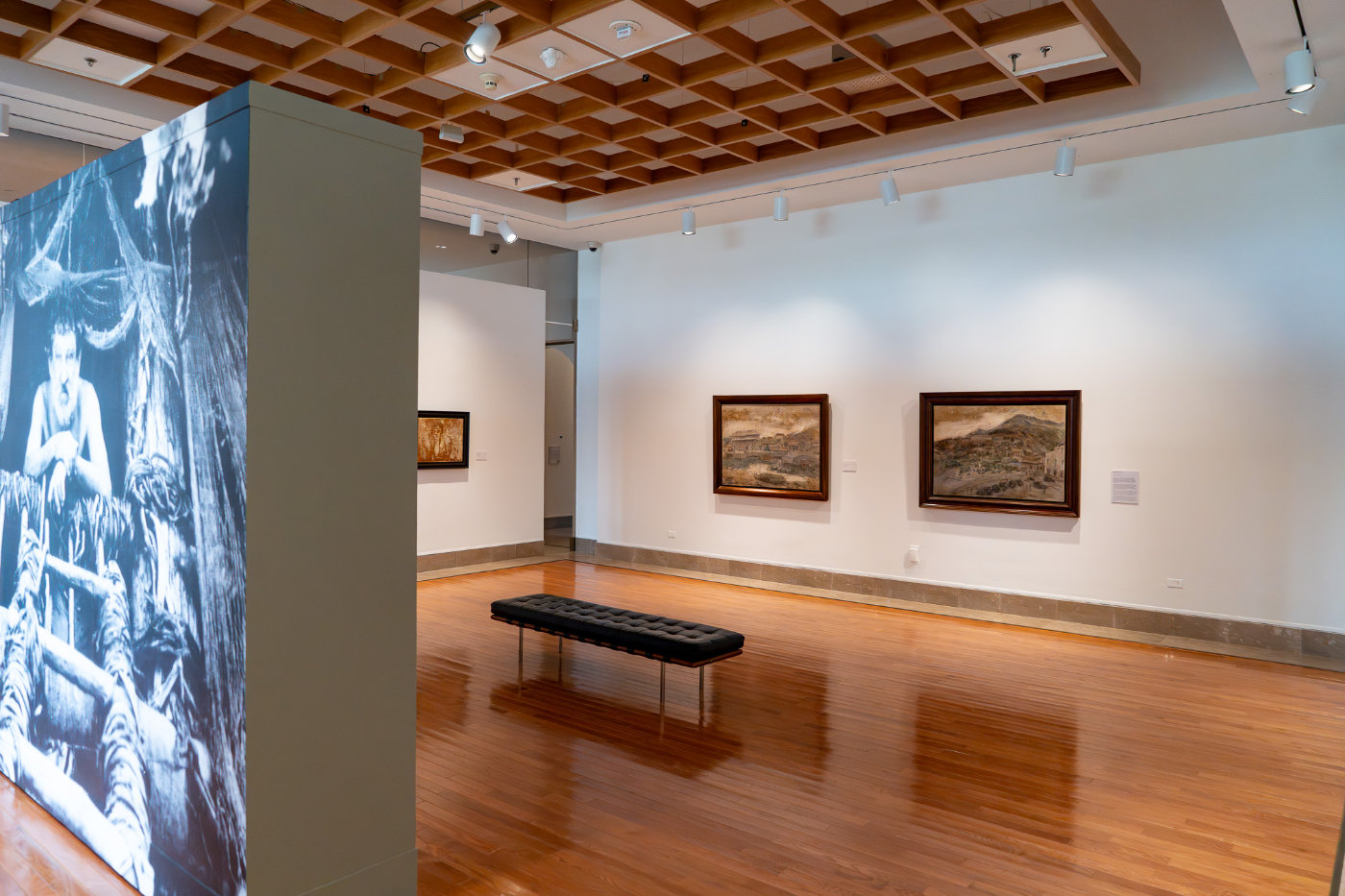
In 1920, Reverón settled in Macuto, located along the central coastline of the country, turning his back on the mountain to devote his life to the blinding light of the Caribbean. There, he built his home, El castillete, with his own hands—an isolated universe where he painted incessantly, created dolls that served as his models, and staged his “eccentricities” for visitors: artists, cultural figures, and members of high society. These performances anticipated happenings by more than 20 years.
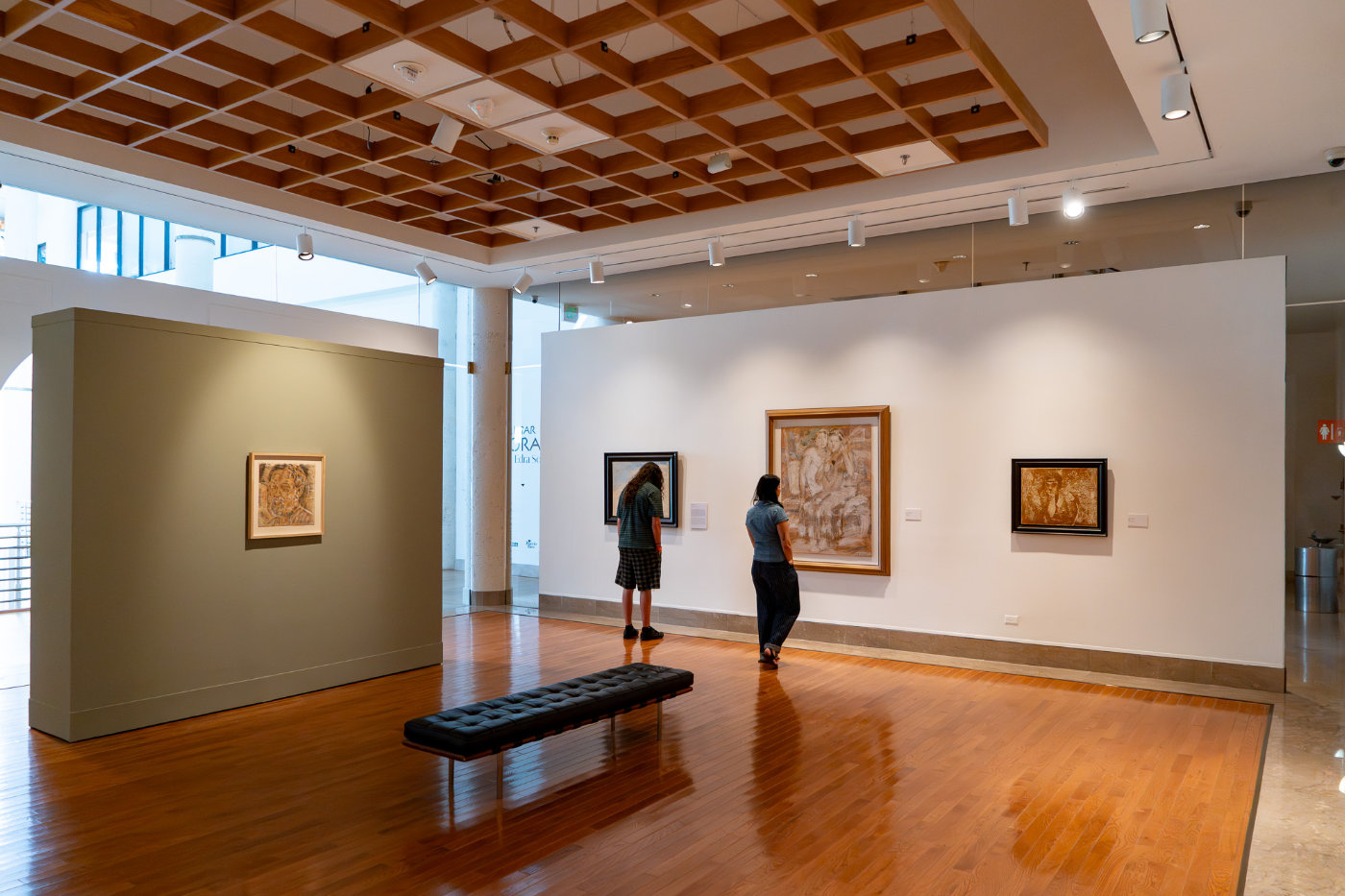
Although different periods have been established in the artist’s work based on the chromatic qualities of his canvases—the blue period (1919–1924), the white period (1925–1937), the sepia period (1937–1949), and, finally, a period of chalk and charcoal—Reverón will always remain an enigma that transcends classifications, comparisons, and even systematic studies. His was a tireless struggle with the surface of the tropics and the Baroque framework he inherited from Europe.
The true poetic information that his work represents for history goes beyond a style, a technique, or an extravagant and singular way of creating. It is about an absence: the absence that lays bare his canvases and blurs his works, the very absence that we, as viewers, attempt to complete. His painting is an endless metamorphosis, in which the warm mortar that holds together the elements of our shores seems to give way, enveloped again and again by the corrosive salt spray of the waves.